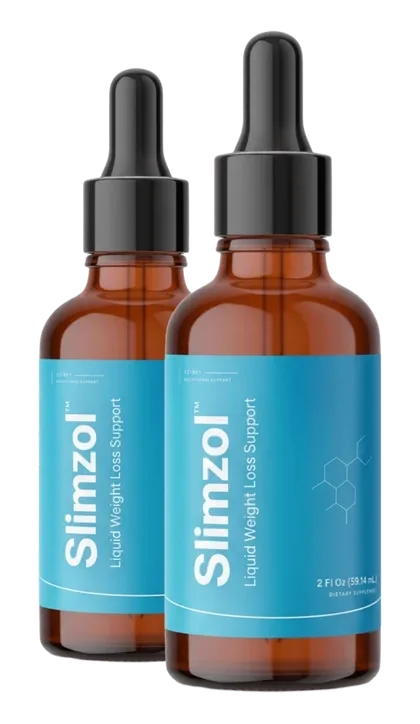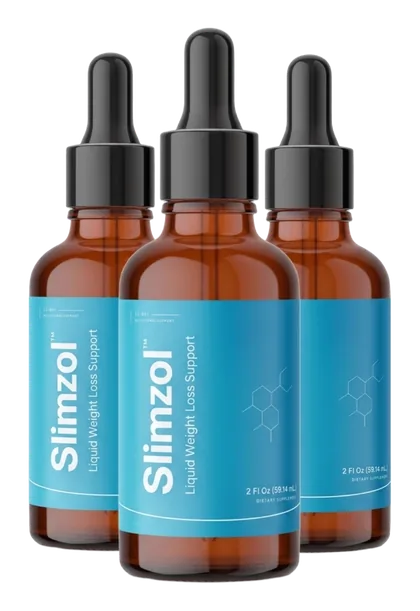
Slimzol Drops African mango is listed as African mango (Irvingia gabonensis) seed extract, the second ingredient in the 15.47 mg Proprietary Blend and the only one marked as a 10:1 extract1. The label does not give its amount.
African mango is often featured in weight-loss ads, so it is worth reading slowly. The NIH Office of Dietary Supplements says it has not been well studied and lists headache, sleep problems and gas as reported side effects2. Below we cover how it appears on the Slimzol label, why its footnote differs from the rest, what the evidence looks like, and who should check with a doctor first. This site is independent of the maker and seller. We report what the label prints and what NIH says, and we do not claim the drops do anything for you.
01mlHow is African mango listed in Slimzol Drops?
The Slimzol Drops label lists "African mango (Irvingia gabonensis) seed extract" second in the blend, just after maca, marked with an asterisk rather than a caret1. No amount is printed beside it.
The pieces of that label line:
- Common name: African mango.
- Botanical name: Irvingia gabonensis, sometimes shortened to "Irvingia" in ads and articles.
- Part used: the seed, not the fruit flesh.
- Form: an extract, marked with the 10:1 footnote.
The seed detail matters when you compare products. A label that lists the fruit, or a powder rather than an extract, describes a different material even if the common name is the same.
The blend line itself gives 15.47 mg per 1 ml serving for 21 ingredients combined, with "Daily Value not established." African mango is one share of that total. For the full order, see our ingredients page; for the ingredient listed just before it, see maca root.
02mlWhy is African mango the only 10:1 item in Slimzol Drops?
The Slimzol Drops label does not explain why African mango carries a 10:1 note while ten other extracts carry 20:1. It only prints the two footnotes1.
The table sorts all 21 blend ingredients by the mark the label gives them.
| Label mark | Footnote wording | Ingredients | Count |
|---|---|---|---|
| * (asterisk) | "Sourced from a concentrate with a 10:1 extract equivalent" | African mango seed extract | 1 |
| ^ (caret) | "Sourced from a concentrate with a 20:1 extract equivalent" | Maca, grape seed, guarana, eleuthero, astragalus, green tea, gymnema, forskohlii, cayenne, grapefruit seed | 10 |
| No mark | None | Ginseng, raspberry ketones, L-glutamine, L-tyrosine, L-arginine, beta alanine, the licorice compound, GABA, L-tryptophan, L-carnitine HCl | 10 |
A 10:1 ratio is usually read as about ten parts of starting material per part of extract, but the label does not define it. Either way, a ratio describes how a concentrate was made; it is not an amount, and it does not change the weight inside the 15.47 mg blend. Our proprietary blend page covers the ratio notes for every item.
03mlHow much African mango is in a Slimzol Drops serving?
The amount of African mango in a Slimzol Drops serving could not be confirmed. The label gives only the blend total of 15.47 mg, shared by 21 ingredients1.
What the numbers allow, as our arithmetic:
- African mango is less than 15.47 mg per 1 ml serving, since 20 other items share the blend.
- If the blend is listed from most to least by weight, as blends generally are, African mango cannot be more than maca. Because the two together must fit inside 15.47 mg, African mango would then be under about 7.7 mg.
- The label does not confirm the ordering rule, so even that ceiling is an estimate.
None of this tells you the real figure, and none of it says what any amount would do. Doses used in research cannot be compared with Slimzol when the Slimzol figure is unknown.
To ask, use the order desk contacts printed on the bottle: +1 (323) 388-5918 or [email protected]1. Ask for the African mango amount per 1 ml and whether it refers to the extract weight or the seed equivalent. The customer support page has tips for getting a clear written answer.
04mlWhat does NIH say about the evidence for African mango?
NIH says African mango has not been well studied2. That is the plainest summary we can give, and it applies to African mango on its own, not to Slimzol Drops.
The wider context in the same NIH fact sheet is just as relevant. It says there is little evidence that weight-loss supplements work, that most studies are small and short, and that many products combine ingredients that have never been tested together2. Slimzol puts African mango alongside 20 other ingredients in undisclosed amounts, so even a strong study of African mango alone would say little about this formula.
When you read claims about Irvingia, a few questions help:
- Was the product in the study African mango alone, or a mix?
- What part of the plant and what dose were used?
- How many people took part, and for how long?
- Who paid for the work, and was it published where others could check it?
We are not aware of any published study of Slimzol Drops, and we do not describe one. The amount of African mango in the drops says nothing about what they will do for you.
05mlWhat side effects are linked to African mango?
NIH lists headache, sleep problems and gas as side effects reported with African mango2. Those are reports about the ingredient, not data about Slimzol Drops at its undisclosed amount.
Sleep problems are worth a second look in this formula. Slimzol also lists guarana and green tea extract, both of which carry caffeine, in amounts the label does not give. If you notice poor sleep, you would not be able to tell from the label which ingredient, if any, was involved. Our caffeine page explains what is and is not known about the stimulant content.
A simple way to keep track if you do use the drops:
- Note the date you start and the time of day you take them.
- Write down any headache, stomach upset or change in sleep, with the date.
- Note other things you take that day, including coffee, tea and energy drinks.
- Stop and talk with a doctor if anything worries you.
For a full list of side-effect notes across the blend, see the side effects page.
06mlWho should check with a doctor before using Slimzol Drops with African mango?
NIH advises people with high blood pressure, diabetes, heart disease or liver disease to talk with a provider before trying weight-loss supplements2. That advice covers a product built around ingredients like African mango.
The Slimzol label adds that the product is not for anyone under 18 or for pregnant or nursing women, and that anyone with a known medical condition should consult a physician first1.
If you take any medicine, ask your doctor or pharmacist before starting. African mango is only one of 21 blend items, and others carry their own medicine notes, such as chromium with diabetes medicines and L-arginine with blood pressure medicines. A pharmacist who sees the whole label can check those together. Never change or stop a medicine because of a supplement. The medications page lists each interaction note we found in our sources.
07mlHow does African mango fit with the rest of the Slimzol Drops blend?
African mango is one of 21 Slimzol Drops blend ingredients, and the label gives no single amount for any of them. Its role in the mix cannot be judged from the label alone.
It helps to see which neighbors share the same kinds of notes. Several blend items have sleep or stomach notes in the health sources we use, and several have caffeine or medicine cautions. The overlap matters more than any one ingredient, because you cannot tell from the label which item contributes what.
- Sleep: guarana and green tea carry caffeine; Panax ginseng is covered on our ginseng and eleuthero page.
- Stomach: several blend items have stomach-related notes, collected on the side effects page.
- Medicines: chromium, gymnema, the licorice compound and L-arginine all have medicine notes.
That is why we suggest showing the full label, not a single ingredient, to the person who advises you.
08mlHow should you read African mango claims about Slimzol Drops?
Read any African mango claim about Slimzol Drops against what the label and NIH actually say: the amount is undisclosed and the ingredient is not well studied2. Claims that go further need their own evidence.
NIH notes that supplements do not need FDA approval before they are sold, and that some products sold as supplements have been found to contain hidden prescription drugs2. It also flags claims of results without diet or exercise as a warning sign2. You can use those points as a checklist:
- Does the ad name an amount of African mango per serving? The label does not.
- Does it cite a study of the finished product, or only of the ingredient?
- Does it promise results without changes to diet or activity?
- Does it call one ingredient the reason the product works for everyone?
A claim that fails these checks is not evidence. If you want to see how the whole bottle compares with this kind of advertising, our safety page is a good next step.
Safety: Slimzol is for adults 18 and over. The label says it is not for pregnant or nursing women. Its blend lists caffeine sources (guarana, green tea), a licorice compound and ingredients such as chromium, gymnema, L-arginine and L-tryptophan that can matter with medicines for blood sugar, blood pressure, the thyroid or mood. If you have a medical condition or take any medicine, ask your doctor or pharmacist before use. Never change a prescribed medicine on your own. Keep it away from dogs: it contains xylitol. Stop and get medical help for chest pain, a racing or irregular heartbeat, fainting, severe stomach pain, or yellow skin or eyes.
Frequently asked questions
Is Irvingia in Slimzol Drops the same as African mango?
Yes. The label lists African mango by its botanical name, Irvingia gabonensis, and specifies a seed extract.
What is the African mango dose in Slimzol Drops?
It is not disclosed. The label gives 15.47 mg for all 21 blend ingredients together, so ask the order desk for the African mango figure per 1 ml serving.
What side effects can African mango in Slimzol Drops cause?
NIH lists headache, sleep problems and gas as side effects reported with African mango. Those notes are about the ingredient, and the amount in the drops is unknown.
What does the 10 to 1 extract note on Slimzol Drops mean?
It is the label footnote for African mango: sourced from a concentrate with a 10:1 extract equivalent. It describes concentration, not the amount in each serving.
Has the African mango in Slimzol Drops been well studied?
NIH says African mango has not been well studied, and we know of no published study of Slimzol Drops itself. Read any strong claim with caution.